
 عربي
عربي  українська
 suomi
suomi Srbija jezik (latinica)
 slovenščina
 Malti
Malti bosanski
 Español
 हिंदी
हिंदी Nederlands
 hrvatski
Hey there, plant lovers and makeup enthusiasts! I'm a lipstick supplier, and you know, I often get asked some really out-of-the-box questions. One of the wackiest ones I've ever heard is, "Can I use lipstick on my plants (as a dye)?" It sounds crazy at first, right? But let's dive into this topic and see if there's any merit to it.
First off, let me give you a bit of background on the lipsticks we offer. We've got a range of amazing products, like the Diamond Lipstick Matte And Velvety Finish. This lipstick gives you a really cool, long - lasting matte look that's super trendy. Then there's the Black Square Tube Moisturizing Lip Plump Lipstick. It not only makes your lips look fuller but also keeps them moisturized. And for those who love a liquid matte finish, our Matte Liquid Lipstick is the way to go. If you're more into a shiny look, check out our Shine Lipstick. And for some extra care while you're looking good, our Lipstick Moisturizing Lip Care is a great option.
Now, back to the question of using lipstick on plants. When we think about using lipstick as a dye for plants, we need to understand what lipstick is made of. Lipsticks are formulated for human lips, which have a very different structure and function compared to plants. Most lipsticks contain a mix of waxes, oils, pigments, and sometimes other additives like fragrances and preservatives.
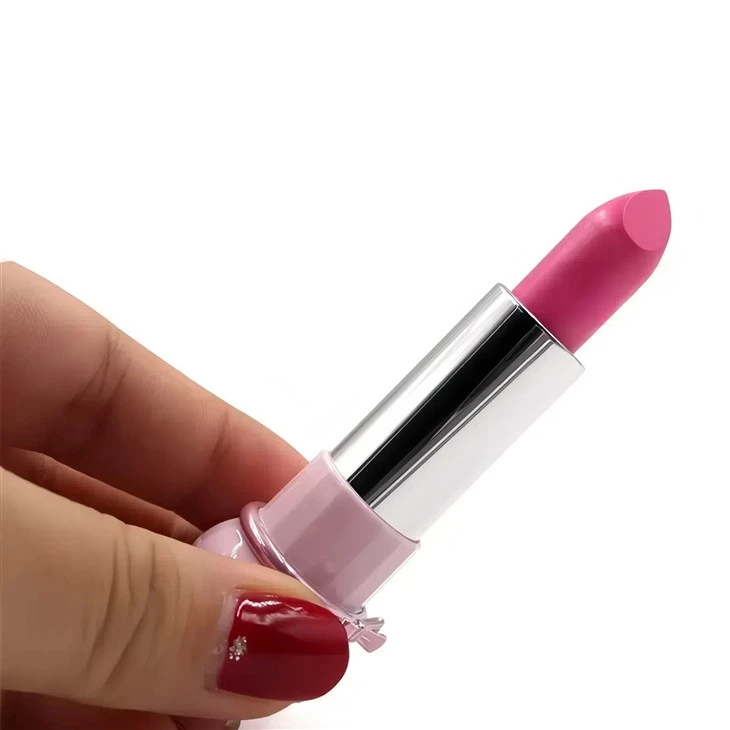

The waxes in lipstick, like beeswax or carnauba wax, are used to give the lipstick its solid form and help it glide on smoothly. These waxes are great for our lips because they create a protective barrier. But for plants, this could be a problem. Plants have tiny pores on their leaves called stomata. These stomata are responsible for gas exchange, allowing the plant to take in carbon dioxide and release oxygen. If we were to apply a waxy substance like lipstick to the leaves, it could block these stomata. When the stomata are blocked, the plant can't breathe properly, which can lead to a whole bunch of issues. The plant might start to wilt, its growth could be stunted, and in severe cases, it could even die.
The oils in lipstick are also a concern. While they're great for keeping our lips soft, they can have a negative impact on plants. Oils can form a layer on the surface of the plant, preventing water from evaporating properly. This can cause the plant to become waterlogged, which is not good for its roots. Roots need oxygen to survive, and if they're constantly in a water - saturated environment, they can start to rot.
Pigments are what give lipstick its color. Some pigments used in lipstick are synthetic, and their effect on plants is not well - studied. There's a possibility that these synthetic pigments could be toxic to plants. Even natural pigments might not be suitable for plants. For example, some pigments might contain heavy metals or other substances that could be harmful to the plant's health over time.
Another thing to consider is the pH level. Our lips can tolerate a certain range of pH levels, but plants have very specific pH requirements for healthy growth. Lipsticks usually have a pH that's formulated for human lips, and it might be very different from the optimal pH for plants. Applying a lipstick with an inappropriate pH to a plant could disrupt its normal physiological processes.
So, based on all these factors, it's pretty clear that using lipstick as a dye for plants is not a good idea. It might seem like a fun experiment, but it's likely to do more harm than good to your precious plants.
But hey, just because you can't use our lipsticks on plants doesn't mean you can't use them on your lips to look amazing! Our lipsticks are carefully formulated to be safe and effective for human use. They come in a wide variety of colors, so you can find the perfect shade to match your style.
If you're a makeup store owner, a beauty blogger, or just someone who loves makeup and wants to stock up on high - quality lipsticks, we'd love to talk to you. Whether you're interested in our matte lipsticks, shiny lipsticks, or moisturizing ones, we've got you covered. Let's have a chat about how we can work together to bring our amazing lipsticks to your customers.
In conclusion, keep the lipstick on your lips where it belongs, and let the plants do their thing in their natural environment. You can find more information about our products on our website and if you're interested in purchasing in bulk or have any questions, don't hesitate to reach out for a friendly chat about business opportunities.
References
- General knowledge of plant biology and lipstick chemistry textbooks.
- Industry reports on lipstick ingredients and their properties.